


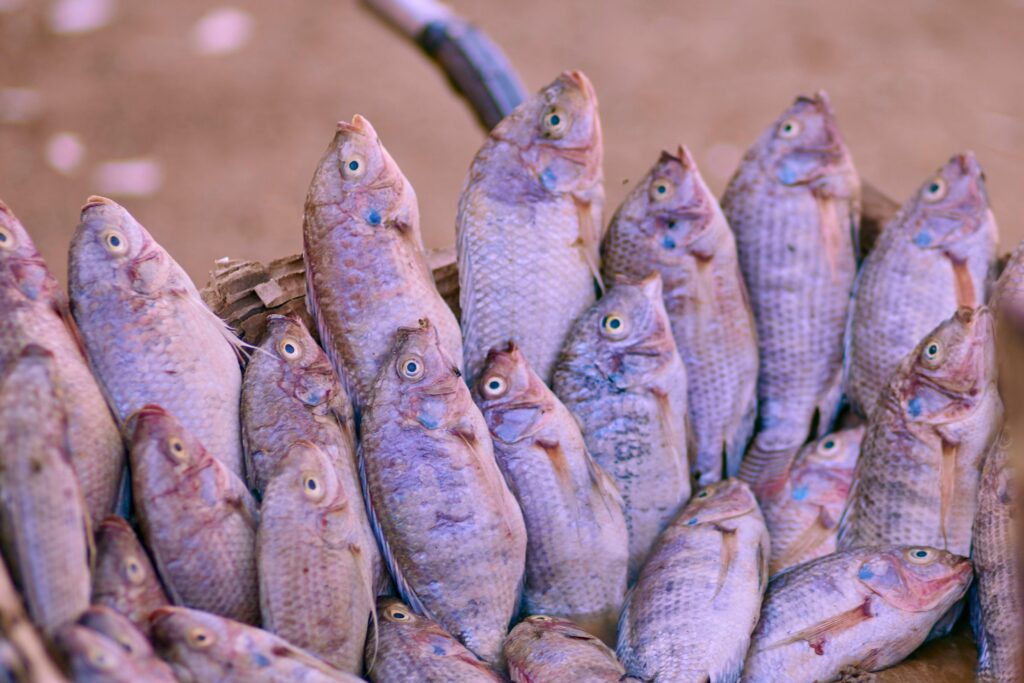
Tilapia Fish Skin Burns Treatment: A Revolutionary Healing Solution in Brazil
Estimated reading time: 6 minutes
- Brazilian doctors are leading a unique approach to burn treatment using tilapia fish skin.
- This method boasts cost savings and faster healing times compared to conventional practices.
- Ongoing research is essential to confirm efficacy and safety for long-term use.
- Healthcare systems must address training and regulatory challenges for successful implementation.
- What is Tilapia Fish Skin Treatment?
- The Science Behind the Treatment
- Historical Context and Regional Adoption
- Benefits of Using Tilapia Skin
- Case Studies: Brazilian Hospitals at the Forefront
- Key Considerations and Challenges
- Key Takeaways
- FAQ
What is Tilapia Fish Skin Treatment?
Tilapia fish skin treatment involves applying the skin of tilapia fish as a biological dressing for burn victims. The fish skin serves as a protective barrier that also promotes rapid healing.
The Science Behind the Treatment
The effectiveness of tilapia fish skin can be attributed to its rich composition, which includes collagen. Collagen enhances tissue regeneration, speeding up the healing process and minimizing scarring. Studies have shown that the application of collagen can improve wound healing by repairing damaged skin layers. Additionally, tilapia skin is biocompatible, which means it integrates well with human tissue, thereby reducing the risk of infection and rejection during treatment.
Historical Context and Regional Adoption
Historically, the employment of biological materials in wound healing has been recognized across cultures. However, the specific application of tilapia skin for medical purposes has gained popularity in Brazil in recent years. Hospitals in São Paulo and Manaus are at the forefront of this trend, successfully treating burn victims with this unconventional approach. This regional adoption is driven by a mix of traditional practices and modern medical research, demonstrating how local innovations can lead to transformative health advancements.
Benefits of Using Tilapia Skin
The tilapia fish skin burns treatment offers several advantages compared to traditional methods:
- Cost-effectiveness: This treatment is significantly less expensive than conventional skin grafts and other wound care solutions.
- Speed of healing: Preliminary reports suggest patients treated with tilapia skin experience faster healing, leading to shorter hospital stays.
- Reduced infection risk: The natural properties of fish skin lower the chance of infection when compared to synthetic bandages used in burn treatment.
- Sustainability: The use of fish skin aligns with environmental sustainability by utilizing by-products from the fishing industry.
Case Studies: Brazilian Hospitals at the Forefront
Several hospitals in Brazil have implemented tilapia skin for burn treatment, yielding promising results. Although specific statistics are still pending review, anecdotal evidence from healthcare professionals highlights significant improvements in patient outcomes.
For example, a hospital in São Paulo has treated over 100 burn victims using tilapia skin, reporting notable improvements in healing time and reduced complications. In another case, a clinic in Manaus noted that patients who received treatment with tilapia skin experienced less pain and faster recovery compared to traditional methods.
These case studies showcase the potential for wider adoption of this treatment internationally, particularly as healthcare providers pursue innovative and cost-effective solutions.
Key Considerations and Challenges
While tilapia fish skin burns treatment shows considerable promise, there are several challenges to consider:
- Long-term effectiveness: Ongoing research is necessary to determine the long-term outcomes of patients treated with tilapia skin. Understanding potential side effects and complications is vital for its widespread acceptance.
- Wider adoption: The ability to adopt this treatment across Brazil and globally depends on overcoming regulatory hurdles and the resistance of traditionalists within the medical community.
- Training requirements: Implementing this treatment necessitates comprehensive training for healthcare providers to ensure they are adept in preparing and applying tilapia skin safely and effectively.
These factors underscore the importance of continued research and discussion within the medical community to validate the treatment’s effectiveness and safety.
Key Takeaways
Brazilian doctors are leading a unique approach to burn treatment using tilapia fish skin. The method boasts cost savings and faster healing times compared to conventional practices. Long-term studies are essential to confirm efficacy and safety. Healthcare systems must address training and regulatory challenges for successful implementation.
FAQ
- Q1: How does tilapia fish skin promote healing?
A1: Tilapia fish skin is rich in collagen, supporting tissue regeneration and accelerating the healing process for burn victims. - Q2: What are the cost implications of using tilapia fish skin compared to traditional methods?
A2: Tilapia fish skin treatment is generally more affordable than conventional skin grafts and other therapies, making it a viable solution for healthcare systems. - Q3: Are there risks of infection associated with tilapia skin?
A3: Early evidence suggests that the use of tilapia skin may reduce infection risk, but further studies are required to validate this benefit. - Q4: How widely is this treatment being adopted outside Brazil?
A4: While it’s gaining traction in Brazil, the adoption of this treatment in other countries has not yet fully materialized. - Q5: What kind of training is necessary for healthcare providers?
A5: Comprehensive training programs are essential to ensure that medical professionals understand the proper preparation and application of tilapia skin treatments.
References/Sources: Hacker News.